本页面尚未翻译成简体中文。以下显示的是英文版本。
What We Do
We do not begin with a programme and look for people who fit it. We begin with the person and the barrier standing in their way.
Read more
We listen, understand the situation, assess what is genuinely needed, and determine the most appropriate response.
Education is our first strategic entry point because a child’s ability to remain in school is often affected by more than school fees alone. Learning materials, food insecurity, healthcare needs, clothing, and instability at home can all contribute to the same problem. Addressing only the most visible symptom may leave the underlying issue untouched.
We therefore look beyond the most visible problem to understand the wider circumstances affecting the child or family. Where support is provided, we follow what happens afterwards so that we can understand whether it made a meaningful difference and what should be learned.
The first pilot in Kilifi County will allow this model to be tested and strengthened before wider expansion is considered. Explore the First Pilot →
Our Three Areas of Work
Education is our first strategic entry point, but it is not the full scope of our work. Thabiti Alliance focuses on three connected areas.
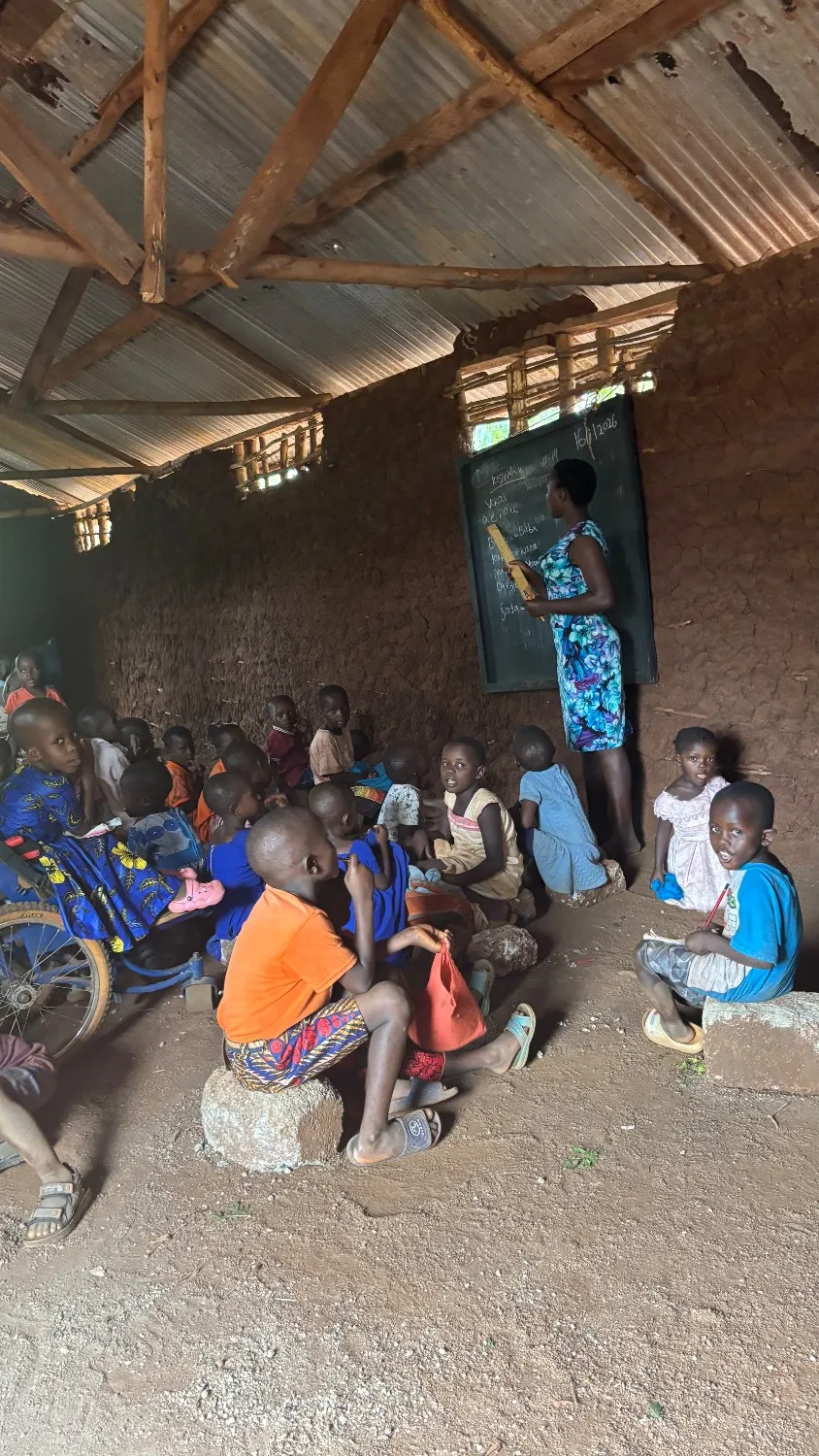
Education Access
We address circumstances that can prevent a child from entering, participating in, or continuing school — including school-related costs, learning materials, and other essential needs affecting access to education.
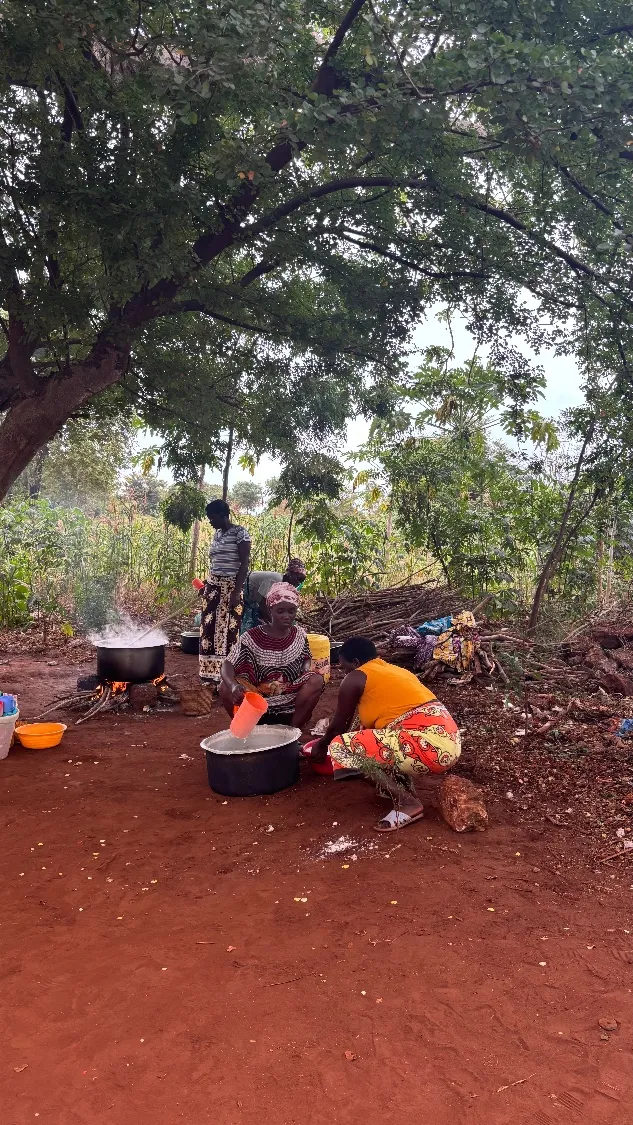
Family Stability
When a documented crisis or severe hardship threatens essential household needs, support is designed to help restore security and reduce the risk of a temporary setback becoming a lasting crisis.
“Strong families often carry more than anyone sees. Support at the right moment can help prevent one difficulty from becoming a crisis.”
Child Protection & Crisis Response
When a child’s safety or wellbeing is at risk, we respond responsibly and, where specialist support is required, connect the child and family with appropriate qualified professionals or services.